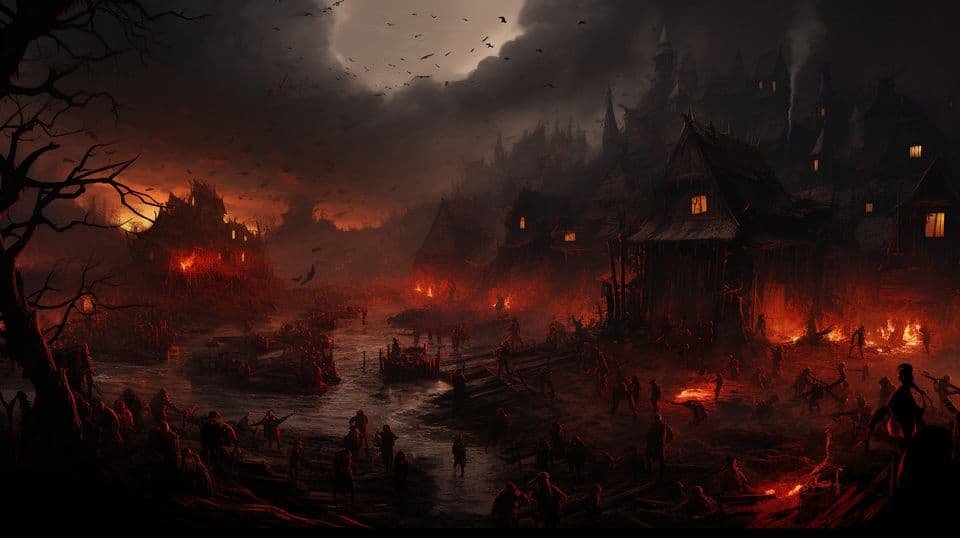
You’ve mapped the city. Crafted a villain with a tragic backstory and just the right amount of swagger. You’ve planted clues that will eventually lead the party to the next major plot point. And then, right when you’re ready to unveil it all, your players decide to tail the bartender. To a fishing village. That you didn’t even name.
Cue the panic.
This is the moment every dungeon master dreads. Not because it means your prep was useless (it wasn’t), or your players are being disruptive (they’re not). It’s because you suddenly feel like the floor’s dropped out from under your session—and now you’re scrambling to build the world back up, piece by unexpected piece.
But here’s the good news: this isn’t a problem. In fact, it’s the game doing exactly what it’s supposed to do.
When your players go off-script, they’re telling you something important: they’re invested. They’re curious. They’re engaged enough in your world to explore it on their own terms. Your job isn’t to herd them back to the plot. It’s to keep up—and keep the story alive, even when you don’t have the answers yet.
In this article, we’ll unpack why improvising can feel overwhelming (hint: it’s not just a prep issue), and then we’ll walk through practical ways to stay nimble: mental frameworks, fast-and-loose town templates, reusable prep, and co-creative techniques that make your players part of the worldbuilding. Let’s get into it.
1. “Wait… They’re Going Where?” – The DM's Fork in the Road
If you’ve been behind the screen for more than a few sessions, you’ve probably had that moment: the plan is solid, the path forward is clear—and then the party decides to do something completely unexpected.
Maybe it’s chasing a side character you introduced as set dressing. Maybe it’s abandoning a dungeon mid-exploration to visit a rival’s hometown. Or maybe it’s just an innocuous question like, “Is there a local carpenter we can talk to?”
None of this is bad play. In fact, it’s often the best kind of play: organic, unpredictable, and totally player-driven. But it can leave you flailing if you’re not ready to improvise.
The challenge isn’t that the game is off the rails. It’s that you suddenly don’t have the map. And you’re afraid to keep going without one.
So let’s talk about what’s actually going on in your brain when improv feels hard.
2. Why Improvising Feels Hard in the Moment
Improvisation doesn’t fail because you lack creativity. It fails because you’re juggling everything else at the same time.
When players go off-script, your mental load spikes. You’re tracking rules, pacing, initiative orders, spotlight balance—and now you’re also being asked to invent a town, populate it with NPCs, and give it enough flavor to feel alive.
That’s a lot.
Add in the internal pressure—“Will this contradict something I said last session?” “Does this feel too made-up?”—and it’s no wonder your brain freezes. You’re not just trying to invent something new. You’re trying to make it feel planned, cohesive, and immersive—on the fly.
This is where perfectionism kicks in. You don’t want it to feel like you’re just winging it. But here's the twist: you are winging it. And that’s okay. The goal isn’t to make it perfect—it’s to make it playable. To make it just real enough that your players can interact with it.
Improvisation becomes easier when you stop trying to do it all from scratch—and start working from small, reliable building blocks.
3. Tools to Make Improvisation Less Overwhelming
When the players veer into uncharted territory, you don’t need a new campaign setting. You need a few go-to tools that help you respond just enough to keep the story rolling.
Here are some lightweight frameworks and tricks you can stash in your mental back pocket:
Town Templates: Vibe + Landmark + Local Problem
You don’t need a full gazetteer. Just give the town:
A vibe (“sleepy fishing village,” “frontier boomtown,” “desperate drought-stricken hamlet”)
A landmark (temple ruins, salt-stained lighthouse, haunted mill)
A local problem (missing livestock, aggressive tax collectors, ghost sightings)
That’s enough for players to start exploring—and for you to riff from.
NPC Sketches: Voice + Goal + Quirk
Need a fast NPC?
Voice: Nervous stammer, sings when bored, heavy accent
Goal: Wants a better job, hiding something, desperate to leave town
Quirk: Collects broken tools, hates shoes, afraid of birds
Give them one detail in each category and let the rest evolve through play.
Zoom In, Then Out
Start with what’s immediately visible:
What does the street smell like?
What’s the first building they see?
Who’s watching them arrive?
You don’t need to describe the whole town. Let their questions guide what you reveal next.
Let Players Co-Create
You don’t have to do this alone. Ask:
“What kind of shop are you looking for?”
“What’s something that would stand out to your character here?”
“Do you think this town feels familiar or foreign to you?”
Players often surprise you with ideas you can run with. They’ll love seeing their input shape the world.
Reuse and Remix
Pull names, places, or characters from unused notes. Rename an old tavern. Repurpose an abandoned dungeon map. Nobody will notice (and if they do, they'll admire the continuity).
Embrace Vagueness with Confidence
If you don’t know the answer, delay the detail:
“That’s interesting—let me get back to you after the break.”
“The townsfolk are evasive about that. Maybe you can dig deeper?”
Buy yourself time. The illusion of depth doesn’t require instant answers.
4. Prepping for Improv (Yes, That’s a Thing)
You can prepare for improvisation. In fact, the more flexible your prep, the easier it is to pivot when players do the unexpected.
Reusable Lists
Maintain a running list of:
Town names
NPC names and quirks
Encounter seeds (a drunk griffon, a flooded bridge, a smug noble demanding a duel)
Local events or festivals
When you need something fast, grab and go.
Modular Content
Create small, plug-and-play locations or factions:
“Generic spooky cave”
“Thieves’ guild contact”
“Religious sect with a secret”
Don’t tie them to a specific location. They’re narrative Legos—snap them into place when needed.
Shortform Practice
Challenge yourself between sessions:
Describe a building in 30 seconds.
Create a town using three random words.
Improvise a one-line rumor.
It’s a muscle. The more you flex it, the stronger your instincts become.
Know Your Theme
Are you running gothic horror? Swashbuckling adventure? Cozy mystery?
Knowing your game’s tone helps you stay consistent, even when improvising. A pirate town will feel different from a noir district, even if both are made up on the spot.
5. You're Not Winging It — You're Worldbuilding in Real Time
Improvisation isn’t a backup plan. It’s not what you do when your “real prep” fails. It is the prep, happening in real time, in response to your players’ creativity.
When your party goes off-script, they’re handing you a gift: a chance to co-create something new and memorable.
You don’t need to have every answer. You don’t need to make it perfect. You just need to keep the momentum alive. To offer enough detail to keep the fiction grounded, and enough space for surprises to thrive.
Improvisation is a skill. The more you treat it like part of your DM toolkit—something worth practicing and preparing for—the more confident and joyful it becomes.
Your players will remember that weird fishing village forever. Not because it was in your notes. But because it wasn’t. It was theirs. And now, it’s part of your world.
Final Takeaway
Improvisation isn’t about making things up on the fly. It’s about having just enough structure to make what you invent feel real. With a few frameworks, a little practice, and a willingness to share the storytelling load, you can turn every curveball into something meaningful.
So the next time your players follow a random NPC into the unknown, take a breath. Smile. And get curious. You’re not lost. You’re just about to discover something new—together.
About Jessy
Jessy is one of the two creators behind TileForge. He's spent the last 12 years as a dungeon master, TTRPG player, writer, and overall nerd.