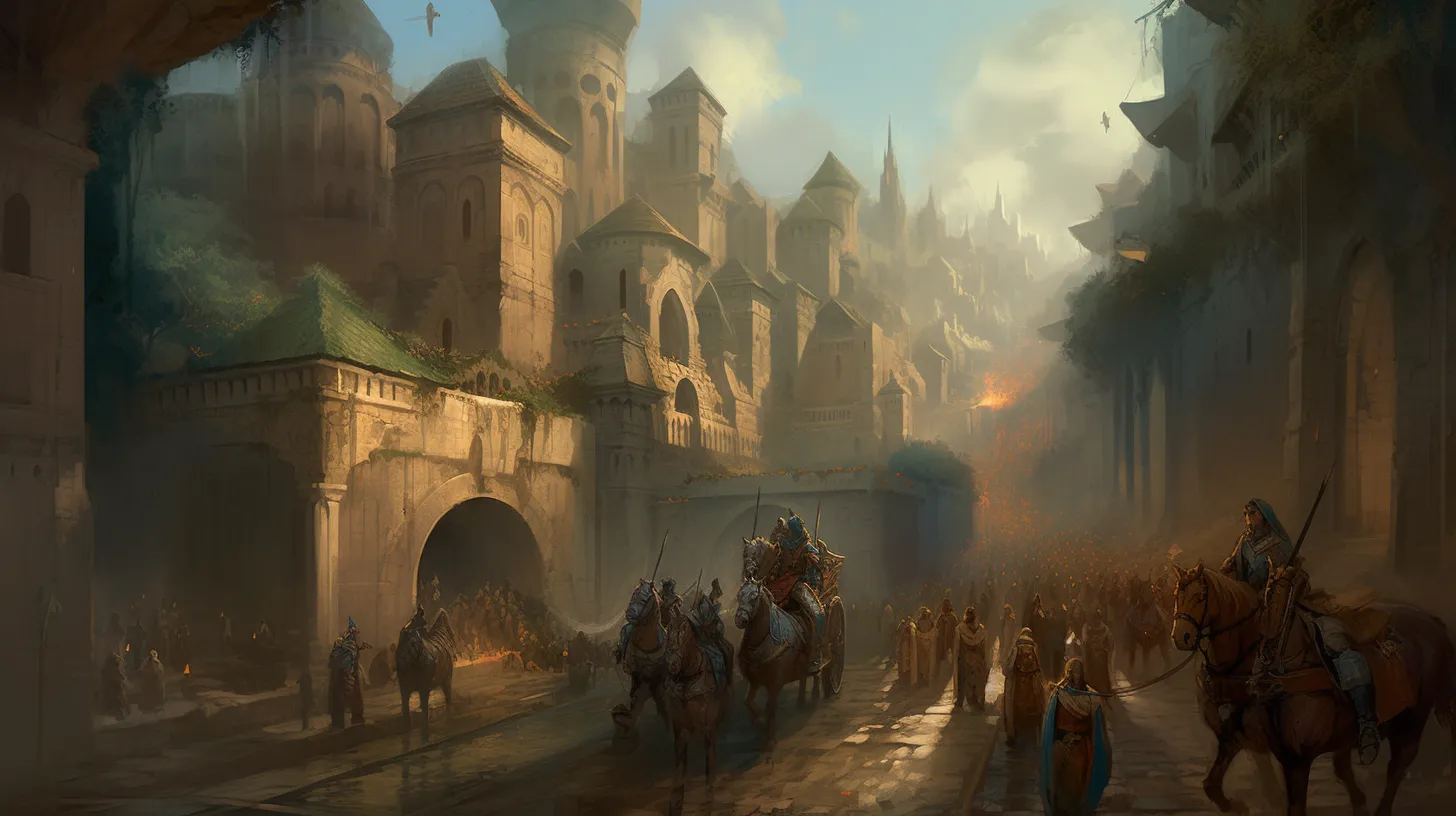
The table goes quiet—not because something exploded, but because something clicked. Someone says a name. A decision gets made. A quiet reveal lands. And suddenly, everyone leans in, just a little more. That’s emotional investment. And it can hit harder than a natural 20.
It’s the difference between “that was a cool fight” and “I still think about that scene two years later.”
And if your sessions are already fun, but you’re craving more of that—more weight, more meaning—then this is the next layer of craft. This article isn’t about writing dramatic arcs or orchestrating player tears. It’s about creating the conditions where emotional moments can happen naturally—anchored not in spectacle, but in what your players already care about.
Let’s talk about how to build emotional momentum in ways that are low-prep, player-driven, and actually stick.
The Quiet Moments That Really Land
It’s easy to assume that memorable moments are the big ones—epic battles, clever heists, shocking betrayals. But ask your players what they remember from past campaigns, and it’s often something quieter:
A soft, unexpected apology between rivals.
A player hesitating at a door they once kicked down without thought.
An NPC revealing something small that suddenly reframes the story.
These aren’t set-piece encounters. They’re emotional payoffs. And they matter because the players care.
That’s the goal. Not constant drama, but meaning. Moments that stick because they connect to something deeper: a relationship, a choice, a regret.
So if you’re asking, “What’s the difference between a fun session and one that sticks with players?”—this is it. The players feel like their choices matter, their relationships matter, and the world remembers.
Why Things Feel ‘Fine’… But Forgettable
Let’s be honest: a lot of sessions go smoothly on paper. The party solves problems, earns XP, and moves the story forward. But afterward, no one’s talking about it. Nothing stuck.
Why?
Here are some of the usual suspects:
Disconnected plot beats: Things are happening, sure—but they feel like a series of events, not a story. There's no emotional throughline.
Surface-level motivation: Players are moving forward because that’s what you do—not because they’re invested.
Forgettable NPCs: Names are forgotten, motivations unclear, interactions shallow. These characters don’t feel like people—they feel like flavor text.
Reactive storytelling: The world is happening at the players. They’re reacting, not shaping.
If you’ve ever asked, “Why aren’t my players emotionally connecting, even when the plot is moving?”—this is probably why. Emotional engagement doesn’t come from what’s happening. It comes from who it’s happening to, and why it matters.
Anchor the Story in What They Already Care About
Here’s the good news: you don’t need to write a sweeping emotional drama or track everyone’s backstory in a spreadsheet. You just need to tie the world to the things they already care about—and let that connection do the heavy lifting.
1. Tie Events to Player Choices
When the party’s decisions ripple into future scenes, it creates a sense of consequence—and importance. If they spared a villain, have that villain show up later with a scar and a grudge. If they chose to help a minor NPC, let that favor come back when it counts.
It doesn’t have to be huge. It just has to be theirs.
2. Make NPCs Personal
Instead of throwing out a tavern keeper named Garloff who gives them the next quest, give them someone with a stake in the party’s journey. Maybe it’s an old war buddy. A sibling’s friend. Someone whose family they saved. NPCs don’t need long backstories—they need reasons to matter to the party.
3. Use Callbacks
Bring things back. Past locations. Former allies. Unfinished threads. This makes the world feel alive and connected. That random side quest from five sessions ago? If it echoes into the main story later, it instantly feels more important in hindsight.
4. Name the Emotional Layer
When something happens, ask: What does this mean to the character? Not just “What do they do?” For example, if a town is threatened, who in the party has history here? Who might feel guilty, or protective, or conflicted? Naming those emotions—even lightly—adds weight.
5. Let Players Create the Stakes
You don’t need to invent emotional tension. Open the door and let them walk through. Ask questions like: “Who do you know in this town?” or “What would it mean to fail here?” Players often want to invest—they just need permission.
If you’ve wondered, “How do I add emotional weight without writing a full script?”—this is it. You’re not building the emotion. You’re inviting it.
Keep It Flowing Week to Week
Okay, so you got a great moment. Everyone cared. You could hear a pin drop. How do you keep that momentum going?
Not by working harder—but by building small habits into your rhythm.
1. Start Sessions with a Quick Emotional Recap
Instead of just recapping plot points, start with: “Last time, things got tense between you and Rovan,” or “You left that conversation feeling uneasy—especially you, Tal.” That reminds players of the emotional stakes, not just the tactical ones.
2. Use Beats Between Scenes to Check In
Not every emotional moment needs to be a spotlight. A quick, in-character aside on the road can add a lot: “So… how are you feeling about what happened back there?”
These little moments keep emotional threads alive between the big beats.
3. Introduce Small, Personal Complications
Add texture. A letter from home. A family heirloom found in an unexpected place. A rumor about an old flame. These don’t derail the plot—they enrich it. And they remind players their characters have lives beyond the mission.
4. Reflect Their Values in the World
Pay attention to what players respond to. If they keep saving innocents, start showing how the world sees them as heroes—or challenges them when they fall short. Let consequences, praise, and dilemmas mirror what they seem to care about. That kind of feedback loop deepens investment.
So if you’re asking, “How do I keep emotional momentum going without tons of prep?”—think less about planning big moments, and more about nudging small ones.
Small Moments, Big Meaning
At the end of the day, emotional stakes don’t need to be epic. They just need to matter to your players.
It’s not about turning every scene into a dramatic monologue or forcing tears. It’s about connecting your world to the characters in ways that feel personal, grounded, and theirs.
When you give players space to care, they’ll often surprise you with how deeply they do. They’ll write emotional stakes for you, just by how they play—if the world is ready to meet them halfway.
So next time you prep, don’t just ask, “What happens next?”
Ask, “Why will it matter?”
That’s the difference between a fun session—and one they’ll talk about for years.
About Jessy
Jessy is one of the two creators behind TileForge. He's spent the last 12 years as a dungeon master, TTRPG player, writer, and overall nerd.